
.avif)


Different Types of Cybersecurity Experts, Which One Does My Business Need?
As business owners and, indeed, as humans, we are often guilty of thinking about professions as one-catch-alls, and cybersecurity is no exception.Cybersecurity services, professionals, or businesses are often imagined to be able to deal with any situation where the word cybersecurity is mentioned. However, nothing could be further from the truth. In most cases, cybersecurity businesses deal with one side of cybersecurity, and provide a range of services from that.Much like a Doctor might practice joint operations and another specialises in the heart, cyber security experts specialise in one area or another and not everything.Simply put; the main 2 sides of cyber security are prevention and cure, just like in medicine there are further specialisms within these lead areas.
PREVENTION
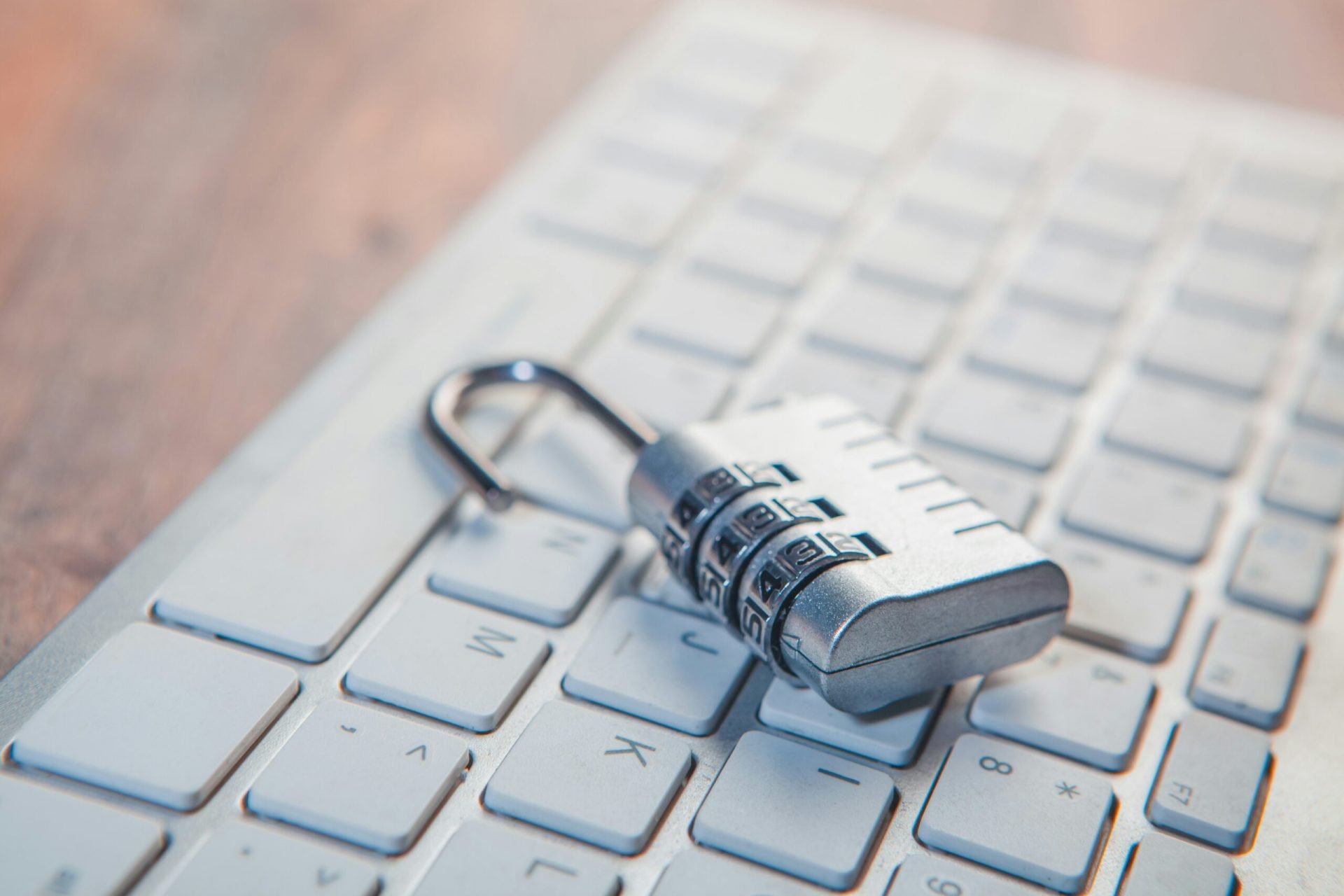
The first line of defense cybersecurity aims to make it hard to attack your business and create a protective barrier around it. The main aim is to prevent an attack or stop a cyber security breach in its tracks or ideally, from ever having an opportunity to happen in the first place.
CURE
Known as Remediation, this area of cybersecurity specialises in trying to put things back together after a successful breach. A tricky job with no 100% guarantee, remediation aims to unpick the cyber criminals' work and restore the business to its previous state.
The Impact of Cyber Crime
Cyber Attacks on a business are easily likened to a disease attacking the body. Frankly and starkly prevention is better than cure, many businesses whilst concerned about cyber crime are unaware of the potential consequences of an attack, sadly many businesses that are victims of this crime are badly or even fatally wounded (over 50% never recover from a cyber attack).So, to stretch the medical analogy regular checkups and early intervention are key to avoiding the worst outcomes.Some of the serious side effects of an attack are;
- The inability for staff to work (often for weeks)
- Potential unlimited fines
- Loss of custom (through loss of trust and practical need to find another supplier)
- Inability to collect money
- Loss of data (often critical to the success of many businesses).
We always advise clients to consider each of the above points for a few minutes, really critically examining their business model for answers to questions like;
- If you lost all your customer, accounting and commercial data how would you operate?
- Even if a remedial expert could recover it how long could you do without your IT before staff had to stop working??
- How would you collect your money?
- How long could you survive without income?
- What would be the reputational damage of a breach (customers must be informed).
Ultimately, very few businesses would be able to survive more than a few weeks. Some may have had the foresight to rely on insurance, but... if a business hasnt locked the front door the insurers arent going to pay. A business must have taken reasonable preventative measures, or the insurance wont be valid.Ultimately, taking preventative measures to avoid being breached is far, far preferable than needing remediation, it is less expensive, less disruptive, less stressful and much less likely to end your business.An Affordable Monthly Cost to Protect Your BusinessInvesting in a monthly cybersecurity protection plan is essential for any business in todays digital age. Cyber threats are constantly evolving, and having a dedicated team to monitor and protect your systems ensures that you stay ahead of potential attacks. This proactive approach not only safeguards your sensitive data but also helps maintain the trust of your clients and partners. Without regular updates and monitoring, your business could become an easy target for cybercriminals.A monthly plan provides continuous protection, unlike one-time solutions that may become outdated quickly. Cybersecurity services from the experts will regularly update your defences to counter new threats, ensuring that your systems are always well protected. This ongoing support is crucial because cyber threats can emerge at any time, and having a team ready to respond can prevent significant damage. Regular assessments and updates mean that your business should be prepared for the latest threats.Moreover, a monthly cyber security plan can be more cost-effective in the long run. The cost of recovering from a cyber-attack can be astronomical, not to mention the potential loss of business and damage to your reputation. By investing in regular protection, you can avoid these costly incidents and ensure that your business operations run smoothly. Its a small price to pay for the peace of mind that comes with knowing your business is secure.Another advantage of a monthly plan is access to expert advice and support. Cybersecurity professionals can provide valuable insights into best practices and help you implement effective security measures tailored to your business needs. This personalised approach ensures that your security strategy is robust and comprehensive. Additionally, having experts on hand means you can quickly address any vulnerabilities or incidents, minimising the impact on your business.Finally, regulatory compliance is another critical reason to invest in a monthly cybersecurity plan. Many industries have strict regulations regarding data protection, and failing to comply can result in hefty fines and legal issues. A dedicated cybersecurity team will ensure that your business meets all necessary compliance requirements, protecting you from legal repercussions. By staying compliant, you also demonstrate to your clients and partners that you take data security seriously, further enhancing your businesss reputation.
Steps For A Great Plan
A good cybersecurity plan is comprehensive and includes several key features to ensure robust protection against cyber threats:
- Risk Assessment: This involves identifying and evaluating potential threats to your business
- Security Controls: Implementing a range of security measures, such as firewalls, encryption, and multi-factor authentication, helps protect your systems and data.
- Incident Response Plan: Having a clear, well-documented plan for responding to security breaches is crucial. This plan should outline the steps to take immediately after a breach, including communication protocols and recovery procedures.
- Employee Training and Awareness: Educating your staff about cybersecurity best practices is essential. Regular training sessions can help employees recognise and avoid potential threats, such as phishing attacks.
- Continuous Monitoring and Improvement: Cyber security is not a one-time effort. Continuous monitoring of your systems and regular reviews of your security policies ensure that your defences remain effective against evolving threats.
By incorporating these features, a cybersecurity plan can provide a strong defence against cyber attacks and help maintain the integrity and security of your business operations.
Join Our Liverpool Cyber Breakfast Event
On January 28th 2025, AdaptiveComms will be hosting a Cyber Security Breakfast Event in collaboration with ESET UK. This will take place at the Barclays Eagle Labs and bring together like-minded small business owners who know they need to do something about their cyber security but aren't sure where to start. Join James Brayshaw, Jake Moore and many others at this exclusive event! Join our priority list.For more information on our cybersecurity services, contact us today on 01704 540547 or email info@adaptivecomms.co.uk.James Brayshaw is CEO of AdaptiveComms, providing 1st Line of defence cybersecurity services with a package specifically for SMEs in the UK.